

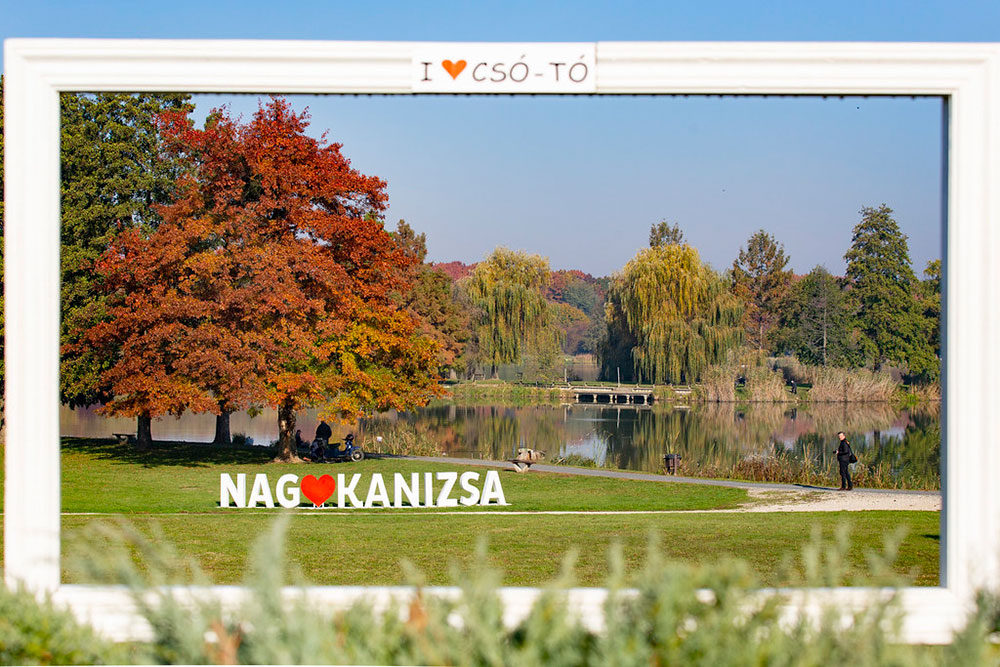
Re-valuing rural heritage: The role of placemaking and placeshaping
Greg Richards
Professor, Tilburg University, Tilburg School of Social and Behavioral Sciences, the Netherlands; G.W.Richards@tilburguniversity.edu, ORCID: 0000-0002-5903-6310
ABSTRACT
This paper examines the ways in which rural heritage is being transformed from an arena of production into a consumption space. In this ‘new rurality’, tourism becomes one of the main forces of cultural heritage transformation. Although traditional models of rural tourism tend to frame the countryside as an unchanging space providing nostalgia and tranquillity, new styles of tourism based on the creative use of rural resources offer a more dynamic model. In particular, lifestyle, image, and other elements of intangible heritage become new constructors of place, and placemaking processes give new meanings to these resources. Another theme covered is how the expansion of tourist-focussed experiences is stimulating curation of the rural by a growing army of influencers, platforms, and social media. In more creative settings intangible resources can be given new meanings through creativity, leading to an increase in ‘place value’. A new model is presented of the relationship between placemaking, placeshaping, and place value creation, which underlines the importance of re-valuing the rural world. These principles are applied in Living Labs developed by the Crocus Project.
Keywords: cultural heritage, curation, placemaking, placeshaping, rural tourism
ceived: 29 May 2026
Accepted: 29 June 2026
Published: 6 July 2026
This open access article may be used under the international license terms of CC BY-NC-ND 4.0.
https://creativecommons.org/licenses/by-nc-nd/4.0/
A VIDÉKI ÖRÖKSÉG ÚJRAÉRTÉKELÉSE: A HELYALKOTÁS ÉS A HELYALAKÍTÁS SZEREPE
Greg Richards
Egyetemi tanár, Tilburgi Egyetem, Társadalom- és Viselkedéstudományi Intézet, Hollandia; G.W.Richards@tilburguniversity.edu, ORCID: 0000-0002-5903-6310
ABSZTRAKT
Ez a tanulmány azt vizsgálja, hogy a vidéki örökség hogyan alakul át a termelés színteréből fogyasztási térré. Ebben az „új vidékiségben” a turizmus a kulturális örökség átalakulásának egyik fő hajtóerejévé válik. Noha a vidéki turizmus hagyományos modelljei általában a vidéket változatlan, nosztalgiát és nyugalmat nyújtó térként ábrázolják, a vidéki erőforrások kreatív felhasználásán alapuló új turisztikai stílusok dinamikusabb modellt kínálnak. Az életmód, a kép és a szellemi örökség egyéb elemei válnak a hely új alkotóelemeivé, és a helyteremtési folyamatok új jelentést nyernek ezen erőforrások révén. A cikk kitér arra, miképp ösztönzi a turisztikai élmények terjedése a vidékkel kapcsolatos kurátori tevékenységet az egyre növekvő számú influenszerek, platformok és a közösségi média által. Kreatívabb környezetben a szellemi erőforrások a kreativitás révén új jelentést nyerhetnek, ami a „helyérték” növekedéséhez vezet. A helyteremtés új modelljét is bemutatja a tanulmány a helyformálás és a helyértékteremtés közötti kapcsolatról, amely aláhúzza a vidéki világ újraértékelésének fontosságát. Ezeket az elveket alkalmazza a Crocus-projekt által kifejlesztett Living Labs.
Kulcsszavak: kulturális örökség, kurátori tevékenység, helyteremtés, helyformálás, vidéki turizmus
Benyújtva: 2026. május 29.
Befogadva: 2026. június 29.
Publikálva: 2026. július 6.
Ez a mű a Creative Commons CC BY-NC-ND 4.0 nemzetközi licence feltételeinek megfelelően használható fel.
https://creativecommons.org/licenses/by-nc-nd/4.0/
1. Introduction: The forgotten countryside
One of the common contemporary discourses about rural regions is their role as forgotten, undervalued areas compared to dynamic, valuable cities.
An exhibition curated by the famous Dutch architect Rem Koolhaas at the Guggenheim in New York examined the contemporary state of the countryside. Countryside, The Future addressed “urgent environmental, political, and socioeconomic issues” in “the rural, remote, and wild territories collectively identified as ‘countryside,’ or the 98% of the Earth’s surface not occupied by cities”. The rural was positioned as a vast but often neglected space, subsumed to the needs of contemporary urban life: “Data storage, fulfillment centers, genetic engineering, artificial intelligence, robotic automation, economic innovation, worker migration, and the private purchase of land for ecological preservation are in many cases more actively experimented with in the countryside than in the city.” Climate change, one of the issues examined in the exhibition, is largely caused by urban activities and needs, but the effects are most keenly felt in rural areas.
Koolhaas indicates a need to re-think the rural beyond traditional approaches, to account for the new pressures being applied to the rural by an expanding urban world. But, as Shapiro (2020) notes, “Countryside, The Future reflects the musings of an urbanite who longs for the countryside, but who is too smart to indulge in nostalgia for something he knows was a fiction all along.” The fictionalisation of the rural includes, according to Koolhaas, the reduction of architecture to structures “based strictly on codes, algorithms, technologies, engineering, and performance, not intention.” Alongside the “enduring mythology of the countryside”, Koolhaas singles out tourism and the wellness economy as having a particularly negative effect on the rural world.
Koolhaas rails against tourism as one of the forces changing a “world formerly dictated by the seasons and the organisation of agriculture” into “a toxic mix of genetic experiment, science, industrial nostalgia, seasonal immigration, territorial buying sprees, massive subsidies, incidental inhabitation, tax incentives, investment, political turmoil – in other words more volatile than the most accelerated city.” He also makes the keen observation that the current fad for wellness (often embedded in the countryside as a slow, acceptable form of travel), has limitations: “Otium and wellness are words that are very close to each other, but […] they are currently extremely far removed from each other because otium is a kind of intellectual state […] an ambition to develop the whole person. Wellness is much more […] limited and focused on yourself, a condition that can never generate that creative existence.” — Rem Koolhaas.
Drawing on Lefebvre’s (2003) prediction of the “complete urbanisation” of society, Koolhaas argues that the term “countryside” is now inappropriate, since rural areas now consist of “regimented landscapes of production” linked to cities. This penetration of the rural by the urban follows Lefebvre’s idea of the new rural, in which the urban becomes an inclusive, hybrid realm (Shapiro, 2020). But alongside his seeming pessimism, Koolhaas argues that “the countryside must be rediscovered as a place to resettle, to stay alive; enthusiastic human presence must reanimate it with new imagination.” This reflects an abiding theme of the new rural: rather than being the antithesis of the urban, the rural world possesses a creativity that can also be a valuable counterpoint to Florida’s ‘creative cities’. In the same vein, Koolhaas asks if the transformation of the rural represents the post-city, a concept that could be ‘insanely beautiful’ if articulated properly. However, Koolhaas ignores the spread of suburbs and exburbs, the growing evidence of the continuity between the urban and rural.
2. Rediscovered: Towards a new rurality
What Koolhaas identifies clearly is that we are in a moment of the rediscovery of the rural, stimulated by financial crisis, the Covid pandemic and the rising cost of living in cities. How does the New Rurality differ from the old?
The traditional approach to the rural tends to highlight specific types of resources and impacts: ecological, economic, social, cultural. Such views position the countryside as a generator of raw materials for development. Contemporary tourism development tends to concentrate on one form of rural transformation: the commodification of rural spaces for tourism consumption. This is often based on nostalgia, a loss of authenticity, and a lack of agency on the part of the rural world.
However, different rural tourism futures are also possible, as the Common Agricultural Policy (CAP, 2026) website notes: “Rural heritage is a valuable source of history, culture and nature, connecting people, places and times. Its importance goes beyond conservation; it brings together tangible, intangible, and natural elements that strengthen communities, support sustainability, and improve well-being by promoting shared values.”
In fact, the interpenetration of the rural and the urban provides new impulses (the new rurality) that challenge the nostalgic and retrograde division between urban and rural (also stimulated by populist politics, as will be discussed later).
Among the values linked to rural heritage by the CAP are generational knowledge transfer, mobilising local communities, strengthening social, cultural and digital connectivity, “ensuring that rural areas remain vital parts of broader networks.”
In this context, the CAP highlights the European Capital of Culture (ECOC) as a new source of urban-rural dialogue. In contrast to Florida’s ‘super cities’, the cities that host the ECOC have gradually been getting smaller and more embedded in the rural. The average population of the first five cities to host the ECOC was almost 2 million, but between 2022 and 2026 the 13 ECOC cities averaged just over 130,000 (and Bad Ischl just one-tenth of this number of residents).
The growing rurality of the ECOC is one reason for the CAP highlights cities that have hosted the ECOC (rather like Veszprém) as examples of creative rural development. For example, Bourges 2028 is currently developing its ECOC approach through the RER Europa project, “a tourist, cultural, and ecological journey” connecting Bourges’ tangible, intangible, and natural heritage, while “fostering innovative and dynamic connections between urban and rural areas.”
The growing links between urban and rural are seen as essential to development and innovation, injecting new impulse from the urban world. The rural is seen as a backward and unchanging world, with traditional values and the myth of the rural idyll.
3. Transformed: The un/changing countryside?
In his study of the politics of the UK countryside, Woods (2017) highlights the growth of contested version of rurality. The “rural idyll has stimulated counter-urbanisation and the development of myths that identified the countryside with national identity.” This created a ‘moral geography’ in which rural places and rural people became the repositories of true national values, developing a politics of exclusion in rural space with racist and xenophobic undertones. But we should be careful “not to reproduce a false dichotomy between a dynamic rural present and a stable rural past, but must rather recognize that the rural has always been a space of change and development.” This now includes the introduction of ‘intrusive’ ideas and activities related to urban life, such as the growth of tourism, and investment through counter-urbanisation and gentrification by in-migrants looking for the rural idyll. The process creates issues around energy transition, tourism development, access to public services, local housing, and employment, which use rural space but also draw in actors from outside the rural world.
These forces are also stimulating transformations in rural areas. Much has been written about how tourism is transforming the countryside (Cheer, 2024; Sharpley, 2004; Kordel, 2016). However, less attention is paid to how this transformation is caused and shaped. Tourists are usually seen as the actors who stimulate change through their demand for authentic experiences, hastening the transformation of rural areas into consumption spaces. As a result, the provision of experiences has become central to shaping the new rurality, through the addition of physical attractions and interpretive elements to the physical landscape.
The shift away from an agrarian resource base has brought attention to a new range of resources — those of lifestyle, image, and other elements of intangible heritage. These are the constructors of ‘place’, and placemaking has become a major scenario for rural and urban change. The move away from physical resources also changes the basis of value creation in places and competition between places. Because using tangible culture as a basis for tourism carries the threat of serial reproduction (Richards & Wilson, 2006), value is increasingly derived from the creative deployment of intangible heritage. Instead of the development of comparative advantage (Porter, 2008) the focus moves towards competitive advantage (OECD, 2014).
This shift, evident as much in rural areas as in cities, is also linked to new actors, such as the rural creative class (Herslund, 2012). As Vaz et al. (2017) point out in the case of traditional music in Portugal, these new rural actors are characterised by mobility and pendularity: “they are incursionists in rural areas at different times of their life cycle. They are transforming the paradigm of the countryside, through its many representations and enactments of the countryside.” These incomers include commuting peri-urbans, nature excursionists, organic farmers, heritage enthusiasts, tourism entrepreneurs, and “tourists and their rediscovery of rural culture, as tourists and tourism activities.”
The attraction for many of these urbanites is the countryside as a repository of virtues (such as tranquillity, nature, tradition, and authenticity) which cities lack. As a result, “Local identities, habits, traditions, ways of life, traditional forms of culture have been the drivers of the growing demand and offer of cultural tourism”, particularly rural cultural tourism. Many rural areas have therefore become consumption spaces where history and tradition form the basis of identification instead of agricultural production (Richards & Wilson, 2006). The result is a proliferation and serial reproduction of culture and a search for new configurations based on intangible resources and creativity, including creative tourism, music, crafts, and gastronomy. These incomers also stimulate a transfer of cosmopolitan aesthetics to rural areas, transferring the values of Urbanity into the values of the New Rurality.
The construction of the New Rurality has also shifted from purely instrumental values such as economic growth, towards intrinsic values, such as the lifestyle attributes linked to the countryside. This is also linked to new conceptualisations of rural space.
3.1. The new rurality
With the changing valuation of the rural world, the notion of ‘rurality’ itself has become a source of differentiation that has attracted investment and inmigration. As Vaz et al. (2017) argue “This is reflected in the recovery and rehabilitation of vernacular houses, in the revitalization of the historic and traditional spaces and cultural traditions, in the growing demand for second homes and for permanent housing by new residents who work in nearby urban centers and in the growing tourist demand.” The consumption of the countryside through the reproduction of culture and the replication of rural lifestyles becomes more important than agricultural production, through tourism, urbanisation and gentrification. These processes are driven by the search for a ‘rural idyll’ and brings in new rural class with higher incomes and educational levels, both compared with their new rural neighbours and their former urban compatriots.
It is becoming increasingly clear that rural transformation is also widening the range of actors involved in rural development. The pandemic has thrown more light onto new groups of actors that are having an impact on rural areas, such as incomers and digital nomads (Richards, 2026a). Rodrigues et al. (2024) argue that these groups are often attracted to a ‘new rurality’, characterised by escaping urban bustle, seeking authenticity and developing new creative communities with access to technology to support experimentation.
Querol Vicente et al. (2020) outline the debates that have arisen around the growth of the new rurality. The concept originated in Latin America, where the nueva ruralidad was linked to the emptying of changing economic function of rural spaces and resulting depopulation. This was also linked to an increased scale and intensity of exploitation of rural resources and decreasing diversity of crops and economic models. Depopulation is often identified as the major challenge for rural areas, particularly as populations age. Resistance to depopulation has included the creation of new products, diversification, and adaptation. Tourism and leisure became particularly important in this regard, as part of the constant adaptation of rural areas to new forms of capitalist extraction (Querol et al., 2016). The rural became an empty space, linked to lifestyle consumption rather than production, generating a revalorisation of the rural as a living space. As Urquijo et al. (2018) note in their analysis of Argentina, the new rurality is linked to the rise of non-agricultural activities such as rural tourism, outmigration, and new urban–rural interactions.
The approach to the new rurality in the 1990s was based on the permanent occupation and exploitation of rural space. But in the 21st century the emergence of diverse forms of mobility, including the growth of rural tourism, has changed this perspective. Querol Vicente et al. (2020) point to the disappearance of an immobile and backward rural world as a result of the financial crisis (and more recently Covid), stimulating in-migration and diversity.
Querol Vicente et al. (2020) link the growth of rural tourism to the transition from the 19th-century view of the rural as museum, encapsulated by the growth of open-air museums towards contemporary presentations of the rural as a living space. This also points to an important difference between traditional modes of cultural tourism, which tends to promote a passive rural gaze, and the new modes of creative tourism which are more actively involved with the living culture of the destination.
The increase in tourism is related to particular styles: event-based, activity-based, and place-based tourism. The latter “focused on the promotion of life in the countryside. Emphasis was on rural daily life: accommodation had to be in the rooms of local houses, and the life on small dairy farms […] must be shared with visitors who would experience herding, the use of tractors, cheese making and similar activities” (Querol Vicente et al., 2020).
Similarly, in Argentina, Urquijo et al. (2018) note several cultural events have been organized. These included the 2005 ‘‘land art’’ event, which entailed land art in crop fields planted with soybean, maize and sunflower. Other activities included marathons, pork meat product workshops, bicycle races, popular carneadas (slaughtering and butchering of livestock and subsequent consumption of dairy and meat products) and rock concerts. Similar developments are noted in Europe by Fisker et al. (2021). These activities linked to the use of intangible heritage therefore reflect a transition in which the new rurality “is thus not only about adopting new livelihoods, but also establishing a renewed sense of place and sense of belonging” (Urquijo et al., 2018).
The new rurality discourse is often framed by a narrow dichotomy between ‘old’ and ‘new’, or the transformation of rural life, “from a production-oriented (farming and agriculture) to consumption-oriented (e.g. rural tourism)” (Urquijo et al., 2018). But the changes are far wider than this. The penetration of the rural world by modern capitalist investment means that a broader shift is taking place, from production to consumption to intensification.
Traditional forms of agricultural production based on commodities have shifted towards consumption-based models as the returns from agricultural production have fallen and regulation has encouraged famers to reduce the volume of crops grown. This has stimulated an intensification of production as well as a growth in set-aside land, particularly in Europe, where the Common Agricultural Policy has hastened these trends.
4. The expansion of rural experiences and the drive towards curation
The transformation of agricultural production and the expansion of the experience economy have created a growing range of rural experience for tourist consumption. Given the relative limited range of tangible heritage resources in the countryside, many of these experiences are based on intangible heritage. This shift is reflected in a sharp increase in research on intangible heritage (Richards, 2026b).
The growing supply of experiences and expanding use of intangible resources create a need for selection or curation. As Richards (2026b) argues, the rural world is now being mediated by a growing range of curators. Rural tourism experiences are curated by experts, social media, and algorithms.
- Expert curation usually involves a single expert selecting content for a larger audience, including the traditional museum curator, or travel blog writers.
- Social curation involves groups of people in the curation process to collectively find, organise, and share content (e.g., Flickr, Reddit, Digg), also termed “crowdsourcing”.
- Algorithmic curation utilises computer programs to select content for users, such as Google search or Netflix. Algorithms rank and personalise content, such as the top 10 attractions or restaurants on TripAdvisor.
This experience explosion also creates a need for distinction, particularly in rural areas. As Blapp and Mitas (2020) note in their analysis of creative tourism in rural Bali, the uniformity of rural resources means there is a tendency towards serial reproduction of culture and creative experiences in the countryside.
How can we create links between distinctive rural places and tourism?
5. Curating a creative rurality
Curation is one potential answer, because it can create attention for many different aspects of rural life, even those hidden from rural dwellers themselves. We are seeing a growth in curation of the rural for tourists, including expert lifestyle entrepreneurs and algorithmic platforms.
For example, Malva Wine, run by Ainara Murillo, a former marketing executive, has re-invented the culture of wine into a series of curated, creative experiences: “Wine is territory. It is memory. It is a form of relationship. It is landscape. It’s time. It is identity. It is legacy. These are different layers of the creative experience of wine and the rural context. And also an opportunity: that of building cultural value, just commercial value. Usually, we talk about product. Positioning. Communication. But rarely about culture. Place. Meaning. That’s where I place my work. Malva was born as a boutique of cultural strategy and practice, Specialising in wine, place and wine tourism” (Malva, s. a.).
Murillo (2025) has developed a number of creative concepts for wine, based on her own experience of marketing and her connection with the land. These include creative enotourism, a ritual of cultural meditation linking craft, wine and landscape, the cultural Mosaic of wine and Wine Knot Lab, with combines the history of knotting of rope and string with the transport and enjoyment of wine. Each participant in the Wine Knot Lab designs their own bottle-carrier in macrame.
Social curation is driven by social media, which can unite extensive communities of users around subjects of interest. Many travellers chart their journeys on social media, inspiring others to follow in their footsteps. This means that tourists are being directly influenced by other travellers, rather than travel suppliers. Among the top 20 influencers in Europe is Eva Zu Beck.
Eva is a travel creator with 870K Instagram followers, known for her adventurous spirit exploring remote locations. She focuses on sustainable, off-the-grid living, providing immersive storytelling, often accompanied by her dog. Her viral adventure stranded on Socotra Island has captivated her audience.
Such influencers, blog and vlog creators can have substantial impact on travel behaviour. This is most notable in social media hotspots in cities, where viral trends and information cascades drive visitors towards the same few sites (Van der Zee et al., 2020). In rural areas there is also a growing number of locations that are being flooded with visitors thanks to social curation. These include the Alpine village of Hallstatt in Austria, which has only 700 residents but can be flooded by up to 10,000 visitors a day. The Lofoten Islands in Arctic Norway are remote, but are being discovered by growing numbers of visitors attracted by social media.
The islands, renowned for their dramatic fjords, rugged mountains, and picturesque fishing villages, have become a digital phenomenon. Social media platforms are flooded with stunning images of Lofoten, drawing an ever-increasing number of visitors eager to recreate these iconic shots (Shorty News, 2025).
In Croatia, Plitvice Lakes, located in the largest National Park in the country, have become a major attraction. Inscribed as a UNESCO World Heritage Site in 1979, increasing visitor numbers have been recognised as a problem by UNESCO: It comes as no surprise that Plitvice Lakes National Park attracts impressive numbers of visitors. Inevitably, heavy visitation potentially poses direct and indirect risks to the integrity of the property (UNESCO World Heritage Convention, 2026).
The Park attracted almost 1.5 million visitors in 2024, largely in July and August, and this has forced the management to adopt a range of measures to reduce negative impacts. These include one-way systems on paths, timed ticketing, and a relatively high entry price.
The challenge of social curation lies in the viral nature of demand that can be created. In France, viral social media posts and popular shows like ‘Lupin’ have turned Mont-Saint-Michel into a cult destination, attracting around three million visitors a year. Kinderdijk in the Netherlands with only 60 permanent residents gets 600,000 visitors annually, many from cruise ships.
Pienza, a charming Tuscan village, is renowned for its revolutionary Renaissance urban planning. But it is not the blueprint central square that is drawing modern visitors: instead, many come in search of its famed pecorino cheese (Lahiri, 2026).
In terms of algorithmic curation, the Italian platform BeCountry encourages farmers to create an authentic experience and share unforgettable moments with the BeCountry community. BeCountry emphasises its passion “for good food, for authentic experiences, for the regions of Italy and the excellent products that they offer. We are a platform at the service of users who share this passion. We believe that farms are the beating heart of the Italian countryside, contributing work handed down across generations.”
BeCountry weaves traditions and culture into stories that can be shared with visitors. In this way, they hope to strengthen local communities, encourage local tourism and give a voice to farmers. BeCountry also features creative tourism experiences with cheese, which were also found to be important in the Crocus Project. There is a “shepherd’s day with cheesemaker’s workshop”, which allows guests to “participate in every step of milk processing, discovering the value of animal care and dairy processing… After collecting the milk, you will enter our dairy workshop, where we will guide you in creating your own goat cheese using traditional methods passed down through generations. To end on a high note, you will participate in a tasting of 0-mile products, with a selection of fresh and aged cheeses, artisanal cured meats, and freshly prepared hot ricotta.” Visitors can enjoy the following:
- Hand milking the goats, to learn an ancient art and connect with the animals;
- Guided tour of the farm, to learn about farm life and connection to the land;
- Cheese-making workshop, with explanation of traditional techniques;
- Active participation in milk processing, from curd to final processing;
- Tasting of artisanal cheeses, typical cured meats, Cassio bread and freshly prepared warm ricotta;
- Opportunity to take home one’s own cheese, for a tasty and unique souvenir.
This experience costs 80 euros per person through the platform, which also enables tourists to give the experience as a gift to somebody else.
These examples underline the importance of building the identity of rural places to prevent them becoming just one more countryside stopover for the passive visitor. In this sense, the Crocus Project has been investigating the potential of creative placemaking and creative placeshaping processes to re-value rural tourism.
6. Re-valuing and re-placing the rural
Regenerating rather than exploiting through tourism means “supporting the capacity of a place to thrive on its own terms without packaging nature or culture into spectacles for touristic consumption” or simply viewing places as passive backdrops for economic activity (Higham & Bian, 2026). This implies understanding value in a holistic way: not just in terms of the economic benefits of tourism, but as a holistic form of value, which recognises the systemic basis of natural and human activity. We can employ placemaking and placeshaping as new carriers of value creation, which encompass a new, more holistic form of public value: ‘place value’. Place value is most likely to be enhanced by forms of tourism that support relationality, such as regenerative tourism or creative tourism (Richards, 2020).
This new place-based approach should support new forms of understanding, such as systemic and practice-based analyses. Taking a practice approach, for example, we can see the new rurality as a practice developed by a set of actors who have differing roles in, and interpretations of, the rural world.
7. Practices of the new rurality
Practice approaches are beginning to be applied in a wide range of fields to aid the analysis of complex social systems and avoid the classic actor—structure dichotomy. Bargeman and Richards (2020) apply a practice approach to tourism, also integrating elements of Randall Collins’ (2004) Interaction Ritual Chains. The basic elements of the social practice approach as adapted from Shove and Pantzar (2010) by Richards (2021) are conceptualised as comprising resources, meanings, and creativity. Essentially, resources cannot be effectively harnessed unless they have meaning for people who have the competences or creativity necessary to use them. Shove and Pantzar employ the example of driving: the basic resource of a car is useless without the meaning of this object as a form of transport and the competence to drive it.
Richards translates these elements into a systemic model of tourism as a placemaking system, combing the elements of resources, meaning, and creativity. If we consider rural tourism, we can readily identify these placemaking elements.
7.1. Resources
Bryden et al. (2011) provide examples of rural assets, such as “water; food; timber and raw materials; land for utilization and absorption of nutrients and organic matter; renewable energy; cultural diversity; people, who are at one and the same time self-reliant and yet cooperative, often highly motivated, possessing important local knowledge, are culture bearers, and in some cases have high levels of formal education; biological diversity and landscape value; places for tourism and recreation based on landscapes, biodiversity, cultures, archaeology, history, recreational opportunities.” Rural areas therefore contain a rich store of resources that are potentially available for tourism development but harnessing these requires meaning to be attributed to them.
7.2. Meaning
Richards (2020) conceives of meaning-making as a process that is embedded in place. Harrison and Tatar (2008) see place meanings as being generated through the interaction of people, events and localities. Places attain meaning “through a continual flow of people and events, which can be designed through programming.” In rural areas, we see this effect reflected in the growing number of events being staged in the countryside (Fisker et al., 2021). The formerly agricultural meanings on the countryside are transformed into a series of new meanings that are linked not just to the traditional rural idyll but also to the creative and regenerative potential of contemporary rural life. However, the production of these new meanings also requires creativity.
7.3. Creativity
The creativity attached to the New Rurality is most evident in the development of creative lifestyles, new forms of relationality, and alternative economic models. As Vaz et al. suggest, rural incomers, particularly those in rural-urban fringe and urban shadow areas, find the rural idyll to be “flawed or blocked”, and they often act to make their vision of the countryside a reality. This new rural imperative corresponds to the idea of creativity as a problem-solving resource (Newton, 2012).
In this way, the placemaking process incorporates the concrete space corresponding to tangible and intangible resources, lived space that generates meanings, and the conceived space of creativity (Richards, 2020). However, activation and integration of these different spaces become crucial, particularly in terms of regenerative processes. We need to move away from the urban/rural dichotomy into a more dynamic conceptualisation of the rural as a hybrid space. In this context, the placeshaping concept of Horlings (2016) is a useful addition to Richards’ placemaking model (Figure 1). By applying Horlings’ processes that derived from sustainability theory, we can transform the basic elements of placemaking into a holistic model that can create positive outcomes in terms of identity formation, creating a sense of belonging and allowing locals to relate to others. In this way, we can generate place value that is rooted in the locality but capable of relating to the outside world in order to sustain itself.
For rural places, this means developing hybrid identities that enable belonging in traditional rural society as well as the contemporary spaces of innovation and change, and relating to outsiders in a way that creates new possibilities for the community.
Creative tourism can be a useful conduit for maximising place value, because it enables rural communities to capitalise on the resources they have to realise their own position in the world, as well as developing new relationships with outsiders interested in their identity and ways of being in the world.
We can identify examples of these kinds of place-based business models through the work of the Crocus Project. In the Cross-Border Living Labs developed by the project, cultural and creative tourism are being used as tools to increase the place value of border regions through placemaking and placeshaping processes.
Figure 1. Generating place value through placemaking and placeshaping processes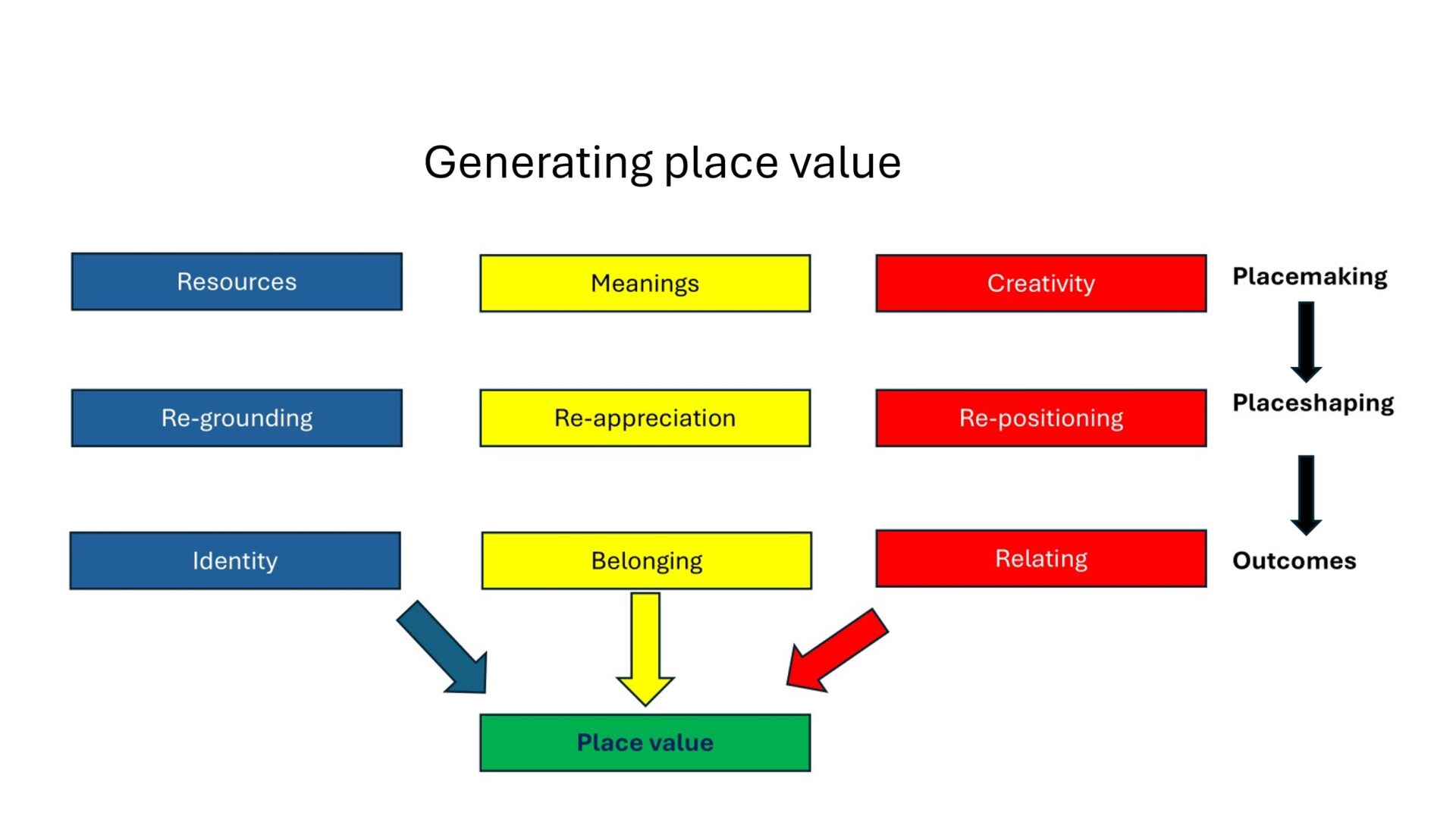
Source: own editing
8. Cross-border Living Labs: Hungary — Slovenia
The CCT links across the Hungarian—Slovenian border are being developed in the Zala (HU) and Pomurske (SLO) regions. The Zala region has been subject to depopulation in recent decades, with the population falling from almost 320,000 in 1980 to 270,000 today.
Marton et al. (2021) have previously noted the lack of cross-border tourism collaboration between Hungary and Slovenia, hampered by poor accessibility and recent decline in cross-border mobility. The Living Lab is therefore focussing on building cross-border links through tourism, highlighting cultural and creative resources. These include events such as the Wine and Dumpling Festival Nagykanizsa, that aim revive and pass on the gastronomic traditions of the region, thereby increasing the touristic attractiveness of Nagykanizsa. The Bogračfest in Lendava, Slovenia, features a traditional Slovenian one-pot stew with beef, game, pork, and potatoes. Visitors can join in the cooking as a form of creative tourism. Attracting more gastronomic tourists is important as the region has an underdeveloped offer. New establishments have opened recently, offering trendy dishes. Many restaurants now aim to source local ingredients, including suppliers from across the border.
Research for the Living Lab shows that visitors are attracted to hiking trails, waterside attractions, castles, and arts and crafts. The importance of tourist activities and levels of satisfaction are generally high on the Slovenian side of the border, but notably lower in Hungary (Table 1). This indicates that there is much work to be done in terms of rural tourism development, particularly across the border. New initiatives being undertaken, such as the development of the gastronomic offer, should help to stimulate more cross-border tourism. However, as Richards and Onderwater (2026) note, there are potential challenges emerging for the development of cross-border rural tourism, not just in Hungary and Slovenia, but across Europe as a whole.
Table 1. Importance of and satisfaction with activities and attractions in Pomurske and Zala. Scores on 1 (low) to 5 (high) scale (Source – Crocus surveys)
|
| Pomurske, Slovenia (n=27) | Zala, Hungary (n=21) | ||
| Importance | Satisfaction | Importance | Satisfaction | |
| Hiking trail | 4.37 | 4.22 | 4.42 | 3.54 |
| Cycle routes | 4.41 | 4.00 | 4.65 | 3.19 |
| Lakeside, waterside | 4.37 | 3.85 | 4.42 | 3.42 |
| Museum | 4.19 | 3.78 | 3.92 | 3.31 |
| Castle, mansion | 4.26 | 4.04 | 3.92 | 3.27 |
| Adventure park, experience park | 4.19 | 4.15 | 4.00 | 3.54 |
| Nature trail (educational path) | 4.00 | 4.04 | 4.08 | 3.62 |
| Bath/spa | 4.15 | 4.15 | 4.50 | 3.96 |
| Arboretum | 3.93 | 3.89 | 4.00 | 3.19 |
| Church, chapel | 3.96 | 4.17 | 3.65 | 3.42 |
| House of crafts | 4.22 | 3.96 | 3.81 | 3.62 |
| Cultural centre | 4.33 | 4.07 | 4.08 | 3.81 |
Source: own editing
9. Challenges: The rise of rural populism
We have to recognise that the new impulses affecting the rural are not always positive ones. As Mamonova & Franquesa (2020) point out, right-wing populism is growing in Europe as a result of economic hardship, social polarisation, neoliberal economic policies, and erosion of the welfare state. In rural areas, farms, jobs and people disappear. Many argue that EU policies are destroying the countryside. “CAP criticism has also been central to rural support for far-right parties […] (and) rural people have revolted against the hegemony of urban elites and neoliberal values” (Mamonova & Franquesa, 2020). Populist parties also exalt nationalism, displacing “experiences of dispossession and disenfranchisement onto the imagined nation”.
It is no accident that the Italian right-wing government promotes ‘Made in Italy’ food through local biodiversity, quality, ties with place and ‘peasantness’. This has been recently linked to intangible heritage through the listing of “Italian cooking, between sustainability and biocultural diversity” (UNESCO World Heritage Convention, 2026). However, rather than benefiting small Italian farmers, this approach to stimulating gastronomy arguably benefits mostly multinational corporations and supermarket chains.
Paradoxically, this intensification of agriculture also depends on the very migratory flows that populists despise. Food production is supported by vast flows of seasonal labour, including 500,000 migrants working in Italy’s agricultural sector, of whom 40% are irregular workers. In France, the shortage of seasonal workforce is estimated at 200,000. Germany is estimated to need 300,000 seasonal workers to help with fruit and vegetable harvests, in particular for white asparagus.
The populists who decry the influx of seasonal workers and permanent migrants to rural areas also forget the role of these incomers in addressing the challenges of rural areas.
In recent decades, the countryside in Europe has been reanimated by the arrival of refugees from the Middle East. In the German village of Mannheim, the population dropped for years due to an expanding mine pit and aging population. The government revived the village by resettling Syrian refugees there.
Research in Japan has shown that incomers can breathe new life into dying rural communities. In many cases, these incomers bring skills that are attached to the urban world, in particular an understanding of urban markets and taste. But they often adopt the knowledge related to the rural places they settle in, producing the kind of hybrid embedding essential for effective generation of place value. The challenges for rural areas in terms of accessibility, employment, and innovation are therefore great, but not insurmountable. Tourism is a vital part of this puzzle, as it brings new impulses, ideas, and resources from outside, as well as a mobile and constantly refreshed market for the tangible and intangible heritage of the rural.
10. Conclusions
The transformation of the countryside is forcing a re-valuation of rural areas. Depopulation and challenges of accessibility are emptying villages and creating new spaces for tourism development. These spaces are being filled with new tourism experiences and with in-comers from the city, creating new challenges of embedding and valorizing these new impulses.
Recent research shows a corresponding rise in experiences that harness intangible heritage. This provides the basis for new business models utilising storytelling, creative activities, events, and gastronomy. The Crocus Project, analysing rural cultural and creative tourism, has identified placemaking and placeshaping processes as fruitful pathways for future rural tourism development.
In structuring a combined placemaking/placeshaping approach, the elements of the placemaking model developed by Richards (2020) are activated by placeshaping processes grounded in sustainability theory (Horlings, 2016). By linking resources and meanings through creativity, processes of re-grounding, re-appreciation, and re-positioning can help rural areas to effectively develop cultural and creative tourism experiences that will generate economic, social, and cultural value.
Acknowledgements
This work was supported by the European Union, Horizon Europe Grant Agreement No. 101132454. Views and opinions expressed are, however, those of the author only and do not necessarily reflect those of the European Union. Neither the European Union nor the granting authority can be held responsible for them. Data from the Crocus Cross-Border surveys adapted from Zangador Research Institute (2025).
References
Bargeman, B. & Richards, G. (2020). The practices of leisure: A new approach to understanding participation. Annals of Tourism Research, 84: 102988. DOI: 10.1016/j.annals.2020.102988
Blapp, M. & Mitas, O. (2020). Creative tourism in Balinese rural communities. In: Current issues in Asian tourism. Routledge, pp. 219–246.
Bryden, J. M., Efstratoglou, S., Ferenczi, T., Knickel, K., Johnson, T., Refsgaard, K., & Thomson, K. J. (2011). Towards sustainable rural regions in Europe: Exploring inter-relationships between rural policies, farming, environment, demographics, regional economies and quality of life using system dynamics. New York: Routledge.
Cheer, J. M. (2024). Rural revitalisation, rural tourism and countryside capital: A rural society redux. Rural Society, 33 (3): 163–173.
Collins, R. (2004). Interaction ritual chains. Princeton University Press.
Fisker, J. K., Kwiatkowski, G., & Hjalager, A. M. (2021). The translocal fluidity of rural grassroots festivals in the network society. Social & Cultural Geography, 22 (2): 250–272.
Harrison, S. & Tatar, D. (2008). Places: People, events, loci — The relation of semantic frames in the construction of place. Computer Supported Cooperative Work (CSCW), 17 (2): 97–133.
Herslund, L. (2012). The rural creative class: Counterurbanisation and entrepreneurship in the Danish countryside. Sociologia Ruralis, 52 (2): 235–255.
Higham, J. E. S. & Bian, Y. (2026). Regenerative tourism: Systems, technology and experiences. MBIE Endeavour Programme – He Karapitipitinga Mariko. Griffith University. https://jameshigham.com/wp-content/uploads/2026/03/Regenerative-Tourism-Report-March-2026-FINAL-250326.pdf/
Horlings, L. G. (2016). Connecting people to place: Sustainable place-shaping practices as transformative power. Current Opinion in Environmental Sustainability, 20: 32–40. DOI: 10.1016/j.cosust.2016.05.003
Kordel, S. (2016). Selling ruralities: How tourist entrepreneurs commodify traditional and alternative ways of conceiving the countryside. Rural Society, 25 (3): 204–221.
Lefebvre, H. (2003). The urban revolution. University of Minnesota Press.
Mamonova, N. & Franquesa, J. (2020). Populism, neoliberalism and agrarian movements in Europe: Understanding rural support for right‐wing politics and looking for progressive solutions. Sociologia Ruralis, 60 (4): 710–731.
Marton, G., Raffay, Z., Barcza, A., & Gonda, T. (2021). Specific problems of tourism development in the Hungarian areas of the Dráva region. Podravina: časopis za multidisciplinarna istraživanja, 20 (39): 179–191.
Murillo, A. (2025). Enoturismo creativo: un modelo conceptual para integrar industrias culturales y creativas y turismo del vino [Creative wine tourism: A conceptual model for integrating cultural and creative industries and wine tourism.]. Paper presented at the 1st International Congress on Gastronomic Tourism, CETT, Barcelona, 28th November 2025.
Newton, D. (2012). Creativity and problem solving: An overview. In: L. Newton (ed.), Creativity for a new curriculum: 5-11 London and New York: Routledge, pp. 7–18.
OECD (2014). Tourism and the creative economy. Paris: OECD.
Porter, M. E. (2008). Competitive advantage: Creating and sustaining superior performance. Simon & Schuster.
Querol Vicente, V. A., Ginéz Sánchez, X., & Aparici Castillo, A. (2020). Nueva ruralidad y generación de discursos sociales desde el ámbito productivo: pastoreando significados [New rurality and the generation of social discourses from the productive sphere: Shepherding meanings.]. Ager. Revista de Estudios sobre Despoblación y Desarrollo Rural. Journal of Depopulation and Rural Development Studies, 28: 161–183. DOI: 10.4422/ager.2019.15
Querol, V. A., Ginés, X., Aparici, A., & Lloria, R. (2016). Turisme de festivals com a forma de desenvolupament local. La sostenibilitat d’un oci amb alta mobilitat al territori [Festival tourism as a form of local development: The sustainability of leisure with high mobility in the territory]. In: Comunicación presentada al XIX Congreso Internacional de Turismo Universidad y Empresa. Sostenibilidad en los modelos actuales de gestión turística. Castelló: Tirant lo Blanch.
Richards, G. & Onderwater, L. (2026). Developing cross-border collaboration through cultural routes: Top-down vs bottom-up approaches. Tourism Geographies, E-pub ahead of print. DOI: 10.1080/14616688.2026.2664755
Richards, G. & Wilson, J. (2006). Developing creativity in tourist experiences: A solution to the serial reproduction of culture? Tourism Management, 27: 1209–1223.
Richards, G. (2020). Designing creative places: The role of creative tourism. Annals of Tourism Research, 85: 102922. DOI: 10.1016/j.annals.2020.102922
Richards, G. (2021). Emerging cultural tourism practices: New opportunities for small cities? Turisztikai és Vidékfejlesztési Tanulmányok, 6 (4): 4–15. DOI: 10.15170/TVT.2021.06.04.01
Richards, G. (2026a). From the centre to the periphery: Intangible cultural heritage in rural and remote areas. Journal of Tourism and Cultural Change, 1–22. DOI: 10.1080/14766825.2026.2646565
Richards, G. (2026b). Curating the countryside: Emerging business models in cultural tourism in rural areas. In: A. L. Negruṣa & M. M. Coroş (Eds.), Innovation, sustainability, and growth in a VUCA environment. Springer, pp. 153–170.
Rodrigues, C., Liberato, D., & Esteves, E. (2022). The intangible cultural heritage as a creative tourism product: The masks of Trás-os-Montes. In A. Abreu, J. V. Carvalho, D. Liberato, & I. S. Galdames (Eds.), Advances in tourism, technology and systems: Selected papers from ICOTTS 2021, volume 1 (pp. 595–609). Springer Nature Singapore.
Rytkönen, P. (2014). Constructing the new rurality-challenges and opportunities (of a recent shift?) for Swedish rural policies. Politica Agricola Internazionale – International Agricultural Policy, 2014 (2). DOI: 10.22004/ag.econ.329123
Shapiro, G. F. (2020). Rem Koolhaas’s countryside, the next frontier of urbanization. https://www.domusweb.it/en/architecture/gallery/2020/02/26/countryside-the-future.html/
Sharpley, R. (2004). Tourism and the countryside. In: Lew, A. A., Hall, C. M., & Williams, A. M. (eds.) A companion to tourism. Malden, Oxford, Carlton: Blackwell Publishing, pp. 374–386.
Shove, E. & Pantzar, M. (2010). Temporal rhythms as outcomes of social practices. Ethnologia Europaea, 40 (1): 19–29.
Urquijo, P. S., Bocco, G., & Boni-Noguez, A. F. (2018). New rurality and the experience of place. GeoJournal, 83 (6): 1301–1315.
Van der Zee, E., Bertocchi, D., & Vanneste, D. (2020). Distribution of tourists within urban heritage destinations: A hot spot/cold spot analysis of TripAdvisor data as support for destination management. Current Issues in Tourism, 23 (2): 175–196.
Vaz, M., Dinis, A., & Silva, O. (2017). New rurality, traditional music and tourist experience. Journal of Tourism, Heritage & Services Marketing, 3 (1): 25–32.
Woods, M. (2017). Contesting rurality: Politics in the British countryside. Routledge.
Online sources
CAP (2026). Harnessing the economic and social potential of rural heritage. EU CAP Network. https://eu-cap-network.ec.europa.eu/publications/harnessing-economic-and-social-potential-rural-heritage_en#paragraph-165238/ (2026. 05. 15.)
Lahiri, I. (2026). Tourists only want one thing from these tiny European villages – and locals have had enough. Euronews. https://www.euronews.com/travel/2025/12/31/tourists-only-want-one-thing-from-these-tiny-european-villages-and-locals-have-had-enough/ (2026. 05. 12.)
Malva (s. a.). Laboratorio Cultural. https://www.malva.wine/laboratorio-cultural/ (2026. 05. 10.)
Shorty News (2025). Lofoten’s Instagram paradise overwhelmed: How “selfie tourists” are ruining the Arctic Gem. Shorty News, Tuesday, May 12, 2026. https://shorty-news.com/news/lofotens-instagram-paradise-overwhelmed-how-selfie-tourists-are-ruining-the-arctic-gem/ (2026. 04. 30.)
Socially Powerful (2026). Top 20 influencers in Europe. https://sociallypowerful.com/post/top-20-influencers-europe/ (2026. 05. 11.)
UNESCO World Heritage Convention (2026) Plitvice Lakes National Park. https://whc.unesco.org/en/list/98/ (2026. 05. 11.)
Zangador Research Institute (2025). D4.3 Living Lab area report. Crocus Project. https://www.zangador.institute/en/ (2026. 04. 29.)
Kiemelt kép forrása: https://crocuseurope.eu/